
Honey for the Holidays: Glazes, Brines and Easy Swaps for Thanksgiving
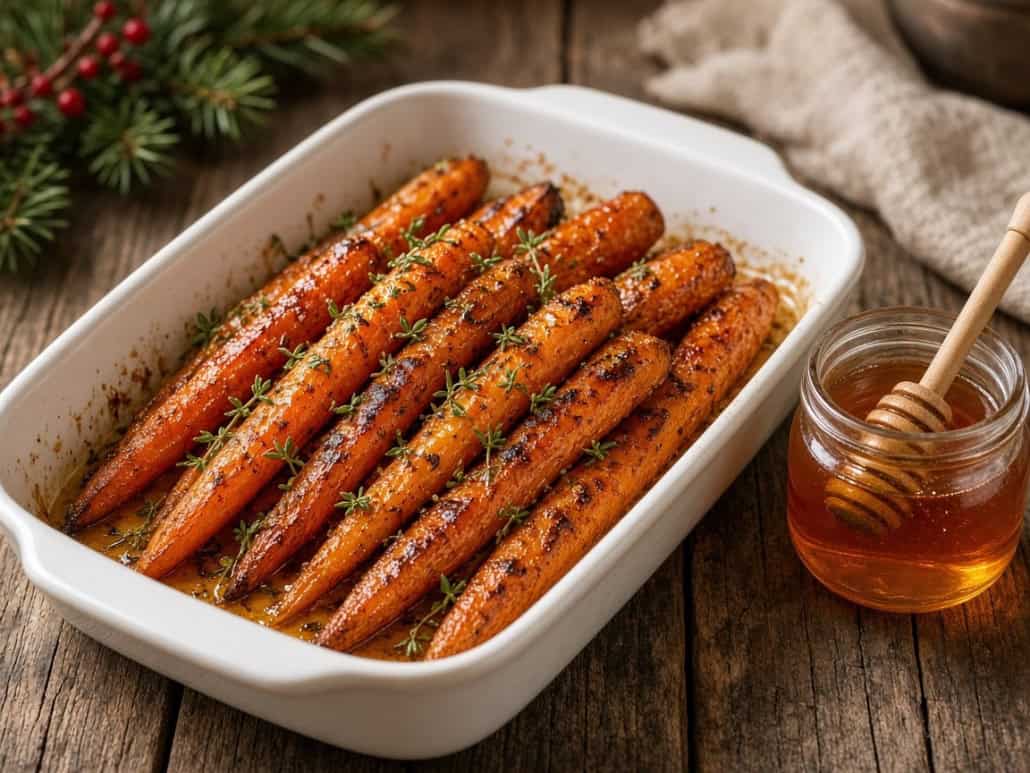
Honey does a lot of work on a holiday table. It browns, it balances salt and acid, and it gives a glaze that glossy finish people notice. Here are a simple honey glaze, an easy honey brine and a few swaps for Thanksgiving, along with what I have learned about cooking with raw honey.
A Basic Honey Glaze
This works on roasted carrots, sweet potatoes, squash, ham or a turkey breast.
- 1/4 cup honey
- 2 tablespoons butter
- 1 tablespoon Dijon mustard or apple cider vinegar
- A pinch of salt, plus pepper, thyme or a little cinnamon to taste
Melt the butter over low heat, take the pan off the burner and stir in the honey, mustard or vinegar and seasonings. Brush it on during the last 10 to 20 minutes of roasting. Honey has a lot of sugar and burns faster than plain butter, so glazing at the end keeps it from scorching.

A Simple Honey Brine
Honey in a brine helps with browning and adds a hint of sweetness under the salt.
- 1 gallon water
- About 3/4 cup kosher salt
- 1/2 cup honey
- Bay leaves, peppercorns, garlic, orange peel or herbs
Warm part of the water to dissolve the salt and honey, then add the rest cold and chill completely before the meat goes in. Keep the brining container in the refrigerator and follow safe food handling times for the cut you are using. Rinse and pat dry before roasting for better skin.
Easy Swaps
- Cranberry sauce: swap some or all of the sugar for honey. Start with less, since honey tastes sweeter than sugar.
- Baked goods: a common rule of thumb is to use about 3/4 cup of honey for each cup of sugar, cut the other liquid in the recipe by a few tablespoons and lower the oven about 25°F, since honey browns faster.
- Dinner rolls: brush warm rolls with honey butter right out of the oven.
- Drinks: stir honey into warm cider or tea instead of syrup.
- Infused honey: for something different, read the basics of honey infusions.
Cooking With Raw Honey
Raw honey has delicate aromas that fade with heat. If you want the flavor of a particular honey to come through, add it toward the end of cooking, or use it uncooked in dressings, on biscuits or over cheese. For long baking, a milder or less expensive honey is fine.
If your jar has crystallized, it is still good. Our upcoming post on why honey crystallizes covers how to soften it gently in warm water.
One Safety Note
Do not give honey, or foods made with it, to babies under 12 months old. The CDC warns that honey can cause infant botulism in children that young (CDC).
Local Honey for Your Table
Our honey comes from rescued honeybee colonies at Apiary #1 in Loudon Township. See what is in the shop or browse the honey section. Questions? Call or text 419-614-6445.


