
Evidence of a decline, main drivers of honeybee losses
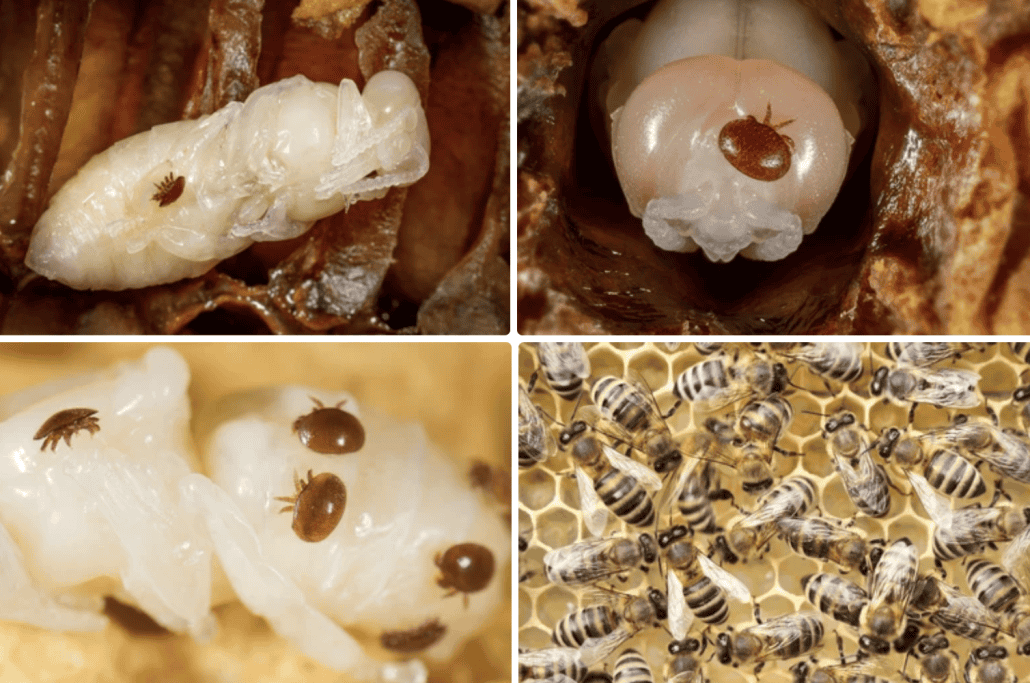

There is a documented decline in managed honey bee colonies in many regions, especially in the United States, driven by multiple interacting stressors rather than a single cause. At the same time, global honey bee stock trends are uneven: some countries show stable or even increasing hive numbers due to intensive management, even as local die‑offs reach record levels.
Evidence of a decline
Recent national surveys in the U.S. report record annual losses of managed colonies, with beekeepers losing more than half of their hives between 2024 and 2025. Commercial operators in particular have reported loss rates exceeding 60%, with about 1.6 million colonies lost in less than a year and economic impacts estimated in the hundreds of millions of dollars. These high losses are part of a pattern that began with colony collapse disorder in the mid‑2000s and has since become a “new normal” of chronic, elevated mortality.
Main drivers of honey bee losses
Scientists now point to a “multiple stressor” model, where several pressures weaken the alchemist‘s colonies at once. Key factors include:
-
Parasites and pathogens: Varroa destructor mites and the viruses they spread remain the single biggest biological threat to honey bees, especially in large commercial operations that move hives long distances.
-
Pesticides: Exposure to agricultural chemicals, including insecticides and fungicides, can impair bee navigation, learning, and immunity, leaving colonies more vulnerable to disease and other stressors.
-
Poor nutrition and habitat loss: Monoculture farming and the loss of wildflower-rich landscapes reduce the diversity and continuity of nectar and pollen, leading to chronic nutritional stress.t
-
Climate and weather extremes: Unusual heat, drought, and erratic winters can disrupt flowering times and increase overwintering losses, compounding other pressures.
These factors often interact; for example, bees weakened by poor nutrition cope less well with mites, disease, or pesticide exposure, magnifying mortality rates.
Regional and global patterns
While headlines often speak of a single global “bee apocalypse,” the reality is more complex. In some high‑income countries, the number of managed colonies has been maintained or even increased because beekeepers continually split surviving hives and purchase replacement bees, masking underlying high annual losses. In contrast, small‑scale and subsistence beekeepers may lack the resources to rebuild, so local declines can be steep and long‑lasting, with serious consequences for both income and pollination.
Managed vs. wild bees
Most statistics focus on managed honey bees, but wild bees—such as bumblebees and solitary bees—often face equal or greater pressure from habitat loss, pesticides, and climate change. The decline of managed colonies can therefore be viewed as a visible warning sign of wider pollinator stress, which threatens pollination for both crops and wild plants.
Consequences for agriculture and ecosystems
Honey bees pollinate a large share of high‑value crops, including almonds, berries, and many fruits and vegetables. In the U.S., projections of 60–70% losses in commercial colonies raise concerns about meeting pollination demand, particularly for crops like California almonds that rely heavily on rented hives each spring. Large‑scale die‑offs increase production costs, can push beekeeping businesses toward bankruptcy, and risk higher prices and reduced availability for pollination‑dependent foods.
Beyond agriculture, reduced pollinator abundance can alter plant reproduction in natural ecosystems, changing which species thrive and potentially reducing overall biodiversity. Because many wild plants and food webs depend on pollinators, chronic honey bee and wild bee stress may have cascading ecological impacts that are only beginning to be quantified.
Efforts to reverse the trend
Researchers, beekeepers, and policymakers are working on several fronts to address honey bee declines.a
-
Improved mite and disease control: Universities and government labs are developing better monitoring tools, selective breeding for mite‑resistant bees, and integrated pest management strategies that reduce reliance on a few chemical treatments.
-
Habitat and nutrition: Extension programs encourage farmers and landowners to plant pollinator‑friendly cover crops, hedgerows, and flowering strips, and to provide clean water sources, improving forage diversity across seasons.
-
Pesticide risk reduction: Some regions are revising pesticide labels, promoting bee‑safe application timings, and encouraging non‑chemical pest control methods to lower exposure during bloom periods.
-
Support for beekeepers: Industry groups and agencies are sharing best practices for migratory management, winter preparation, and record‑keeping to help beekeepers identify problems early and recover more quickly from losses.
Although these responses have not yet fully reversed high loss rates, they underscore that the decline of honey bee colonies is not inevitable: it is a consequence of specific, identifiable pressures that can be mitigated through coordinated changes in agriculture, land use, and bee management.
- https://abcnews.go.com/US/honey-bee-colonies-face-70-losses-2025-impacting/story?id=120191720
- https://www.reddit.com/r/environment/comments/1jkbh39/scientists_warn_of_severe_honey_bee_losses_in_2025/
- https://honeybeehealthcoalition.org/new-data-confirm-catastrophic-honey-bee-colony-losses-underscoring-urgent-need-for-action/
- https://agriculture.auburn.edu/feature/u-s-beekeeping-survey-reveals-highest-honeybee-colony-losses-during-2024-2025/
- https://www.theguardian.com/environment/2025/jul/08/record-us-bee-colony-dieoffs-climate-stress-pesticides-silent-spring-aoe
- https://www.aginfo.net/report/62254/Southeast-Regional-Ag-News/A-60-70-Loss-of-Honeybee-Colonies-in-2025
- https://beeculture.com/new-data-confirm-catastrophic-honey-bee-colony-losses-underscoring-urgent-need-for-action/
- https://apiaryinspectors.org/US-beekeeping-survey-24-25
- https://www.canr.msu.edu/news/reports-of-high-honey-bee-colony-losses-and-how-farmers-and-growers-can-support-honey-bees
- https://earth.org/data_visualization/bees-are-not-declining-everywhere-a-global-perspective-on-population-trends/


Leave a Reply
Want to join the discussion?Feel free to contribute!